Everyone has made the timetable.
Seven colours. Every hour from 4pm to 9pm accounted for, Saturdays included. It took a whole evening, and it looked magnificent on the wall.
By Thursday you were two days behind it. By the following Monday you had stopped looking at that wall altogether.
The timetable did not fail because you are lazy. It failed because it was a picture of a perfect week, and you have never had one. Here is how to make a timetable that expects real life to turn up.
Step 1: write down the dates
Start from the end. Get your exam timetable from school and put every paper on a calendar: the subject, the paper number, the date. GCSE exams mostly fall in May and June, and your mocks will arrive a good deal sooner than that.
Now count the weeks. Not to frighten yourself. "Ages away" cannot be planned. "Fourteen weeks" can.
Step 2: list topics, not subjects
"Revise chemistry" is not a plan. It is a mood. Nobody has ever sat down and done "chemistry".
For each subject, find the specification on your exam board's website, or open the contents page of your revision guide, and write out the topics. Bonding. Electrolysis. Rates of reaction.
You will end up with a long list, and that is fine. A long list of small things is far less frightening than a short list of enormous ones, and every item on it is something you can finish in one sitting.
Step 3: be honest with three colours
Go down the list and mark each topic. Green for "I could answer a question on this today". Amber for "sort of". Red for "what is this".
Do not do it from memory of how the lesson felt. Test yourself. Try two exam questions on the topic, or write everything you know about it on a blank page and then check. Feeling like you know something and being able to get it out of your head on demand are different things, and an exam only measures one of them. We wrote about why in rereading your notes feels like revising.
Your reds and ambers are now your timetable. Greens get a quick visit every couple of weeks, so they stay green.
Step 4: plan sessions you will actually do
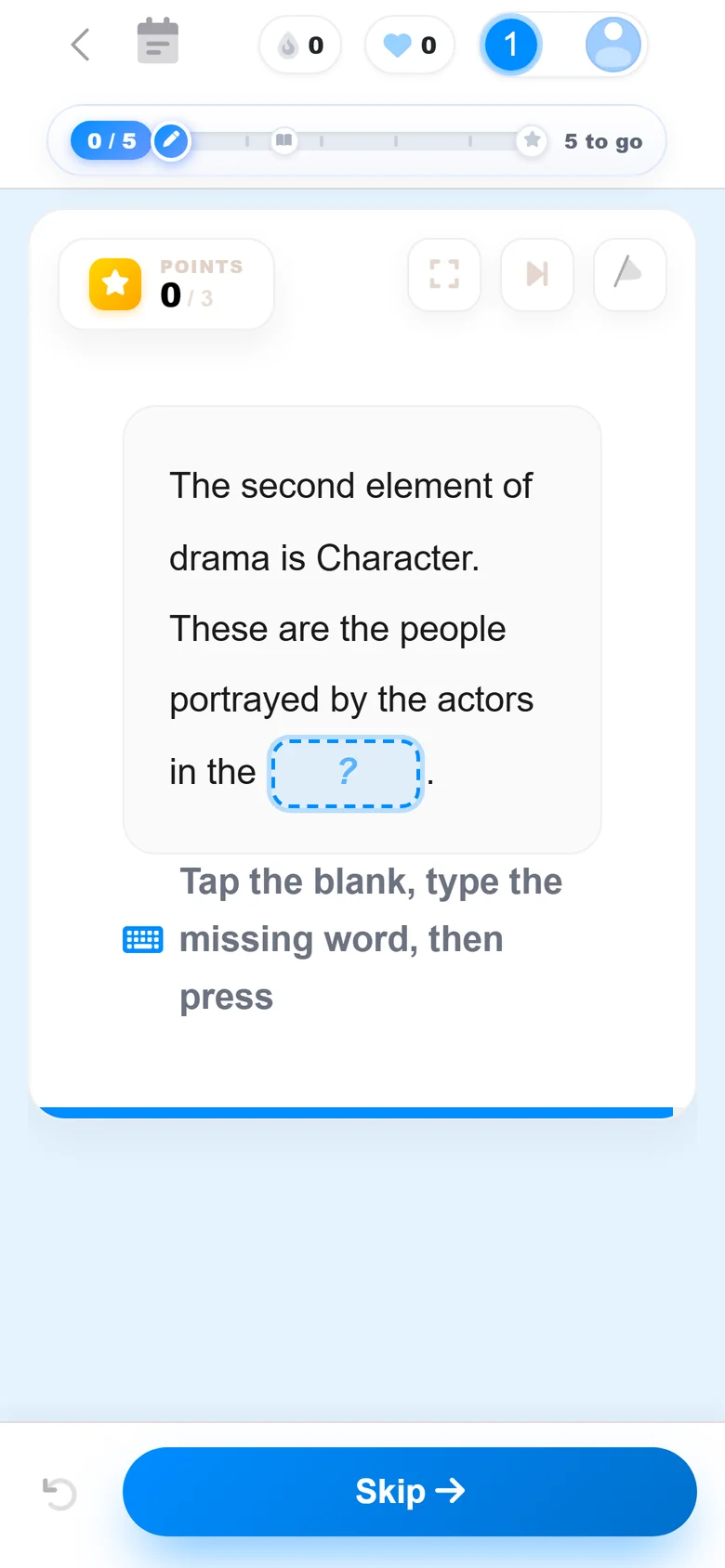
Short ones. Somewhere between twenty-five and forty-five minutes on a single topic, then a proper break away from the desk. Three focused sessions beat one heroic three-hour evening, most of which goes on reading the same page twice and checking your phone.
Then count how many sessions you can honestly fit into a normal school week. Not a perfect week. A week with football on Tuesday and a birthday on Saturday.
If the honest answer is eight sessions, your plan is eight sessions. It is a far better plan than the one with twenty-five.
Step 5: mix it up, and come back
Do not give Monday to maths and Tuesday to English. Put two or three different subjects into an evening, and bring every topic back more than once: a few days later, then a week or two after that.
It looks less tidy, and it feels harder, because each time you return you have forgotten a little. That is the point. Dragging something back just as it starts to fade is what makes it stay.
Step 6: write what you will do, not what you will look at
"Biology: cells" in a timetable box turns into forty minutes of reading and highlighting. "Cells: ten flashcards, then the six-mark question from last year's paper" is something you can finish, and tick.
Four things worth putting in a box:
- A blank page. Write everything you remember about the topic, then check it against your notes in a different colour.
- Flashcards. Say the answer out loud before you turn the card. No peeking.
- Past paper questions. Then mark them with the mark scheme, which is where you find out what examiners actually want.
- Teach it. Explain the topic to someone at home, or to the cat. The bit where you get stuck is the bit to revise.
Step 7: leave a gap on purpose
Here is the part nobody puts in. Leave one slot a week empty and label it catch-up.
Something will go wrong every single week. A cold, a bad day, a piece of coursework that ate Wednesday. When it does, the missed session moves into the catch-up slot and the plan survives. A timetable with no slack breaks the first time you miss a session, and once it is broken you stop looking at it.
Keep one whole day a week with nothing in it, too. A rest you planned is a rest. A rest you stole feels like failing.
Step 8: look at it again every Sunday
Ten minutes. What moved from red to amber? What did you skip, and why? Then fill in next week.
A revision timetable is not a thing you make once in March. It is a thing you adjust every week, and the adjusting is half the benefit.
If you use Tutorio
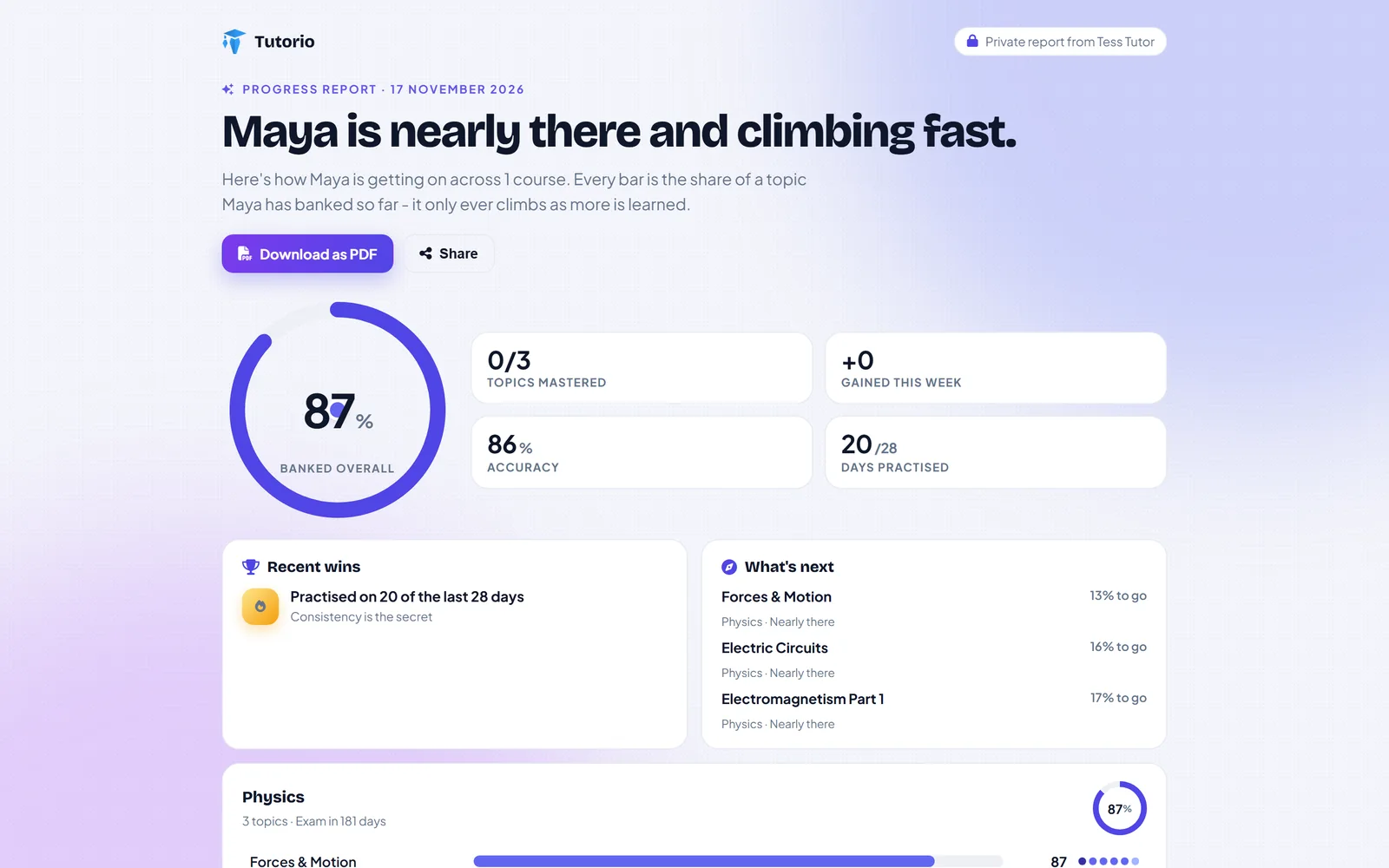
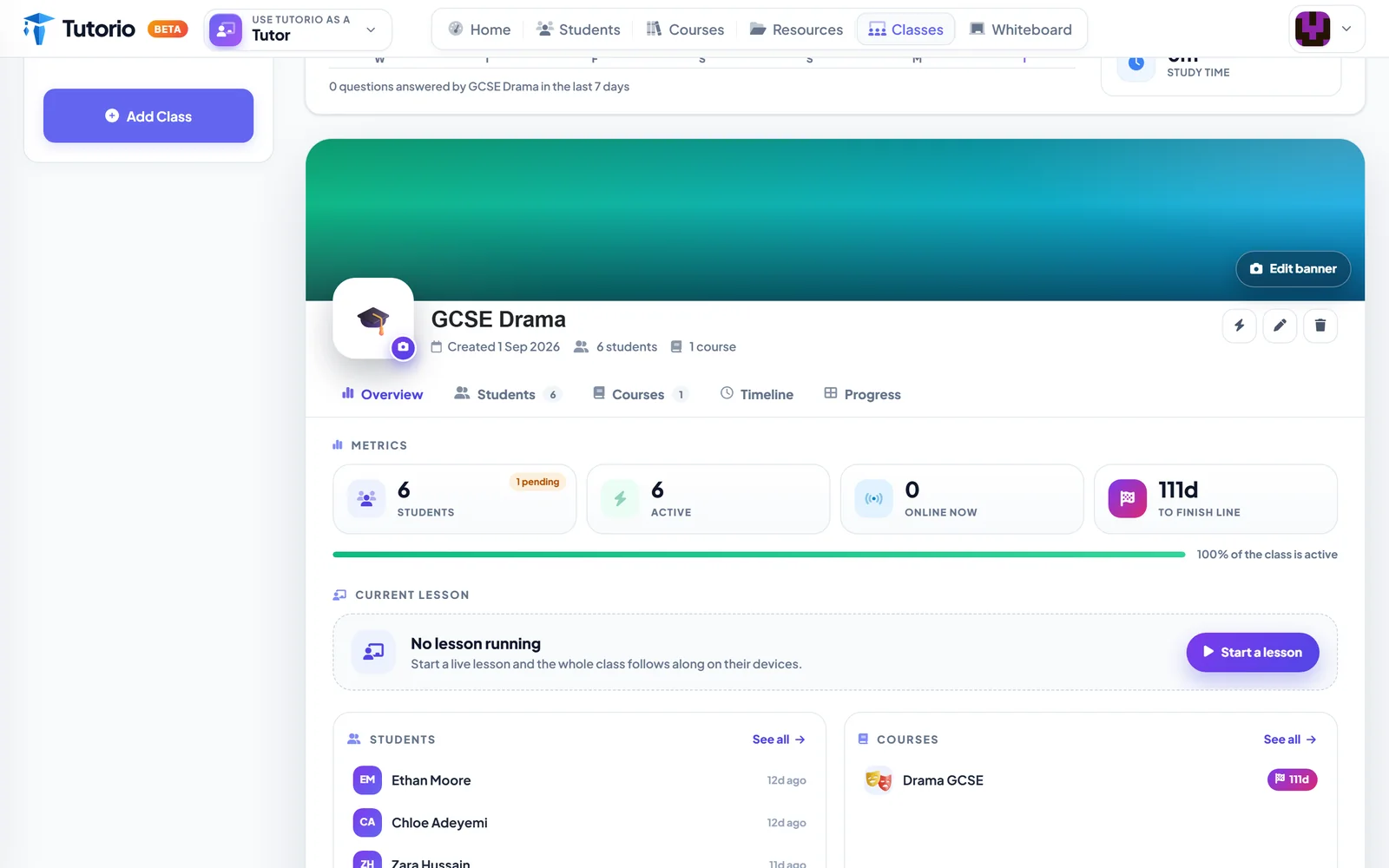
Some of this is done for you. If your tutor has given your class an exam date, your home screen shows the days to go and the lessons that keep you on pace, so you are never staring at the whole mountain.
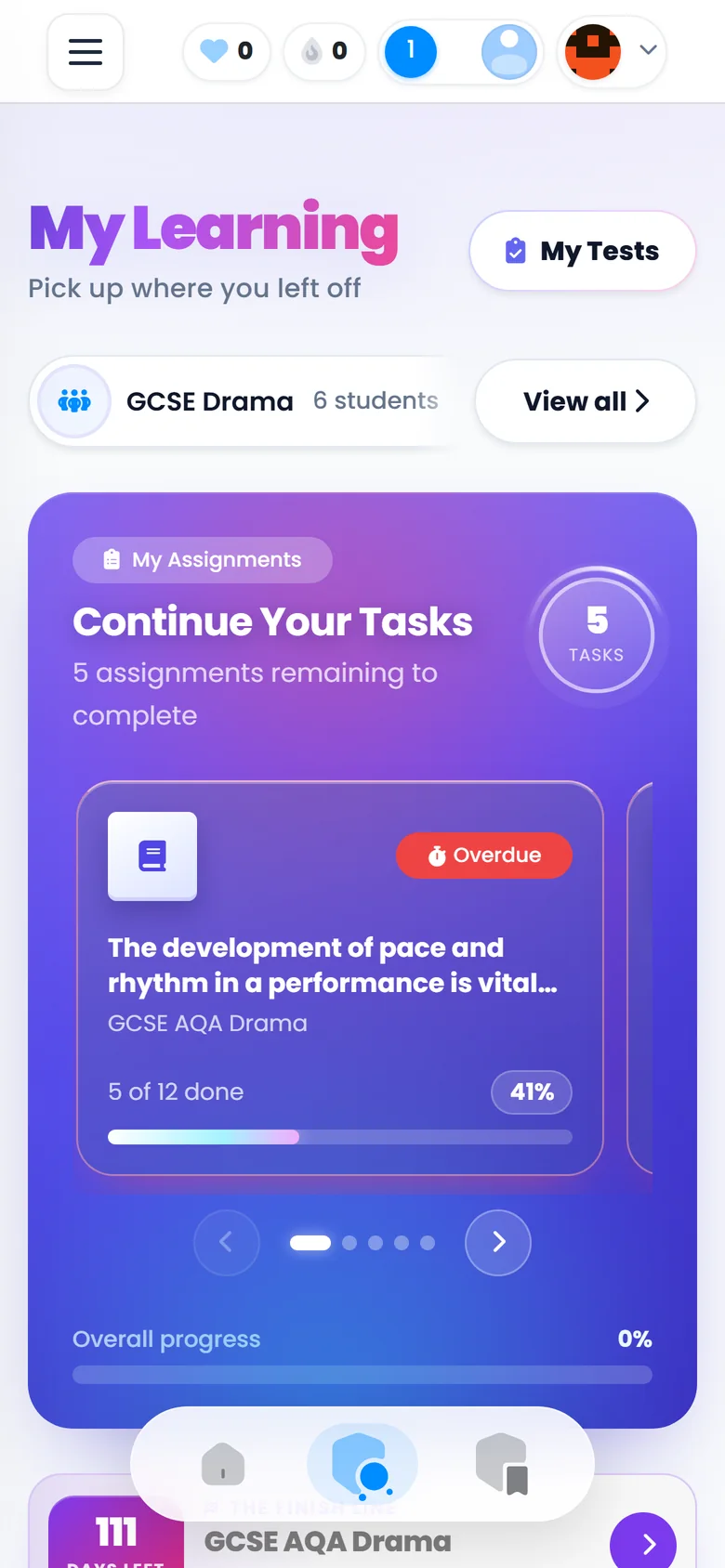

The work your tutor set is waiting under Continue Your Tasks. A Review is a short mixed check built from the lessons you have been taught. It is not timed and you can take it again, which makes it a decent way to do Step 3. And if you say yes to Rio's reminders, he will nudge you before your streak slips. Meet Rio here.
If you are a tutor reading this over a student's shoulder: that countdown comes from the exam date you give each course, and this is how it works.
The plan that works is the one you follow
A scruffy timetable you follow for ten weeks will beat a beautiful one you follow for four days. Make it small enough to keep. Test yourself instead of rereading. Leave room for the week to go wrong.
It will go wrong. That is fine. You planned for it.
Questions people ask
When should I start revising for GCSEs?
Earlier and smaller than you think. A few short sessions a week from the start of Year 11 does more than a panic in April, because coming back to a topic several times is what makes it stick. If you are reading this later than that, start today with your red topics.
How many hours a day should I revise for GCSEs?
There is no magic number, and anyone who gives you one is guessing. Count how many focused sessions fit into a normal school week and plan those. Three short sessions you finish are worth more than five hours spent mostly rereading.
How long should a revision session be?
Between twenty-five and forty-five minutes on one topic suits most people, followed by a proper break away from the desk. Stop while you can still concentrate.
Should I revise one subject a day or mix them up?
Mix them. Put two or three subjects into an evening, and bring each topic back a few days later and again a week or two after that.
What should I do if I fall behind my revision timetable?
Move the missed session into your weekly catch-up slot and carry on. If you are behind every week, the plan is too big: cut sessions until it is one you can keep.

Written by the Tutorio team. We build Tutorio, so these posts describe the product as it is today. Every screenshot is a real capture of the app, and anything that changes gets an updated date. Spotted something out of date? Tell us.