Here is an evening most students will recognise.
You open the chemistry notes. You read them through, carefully, with a highlighter. It all looks familiar. Yes, ionic bonding, we did that. By the end the page is mostly yellow, and you feel calm and prepared.
Two days later you turn over the test paper, and it has gone. Not all of it. Just enough.
Nothing went wrong with your memory. Recognising something and being able to produce it are two different skills, and you spent the evening practising the wrong one.
Why rereading fools you
When you read a page for the second time, it feels easy. Your brain takes that ease as a sign that you know the material. All it really shows is that you have seen the page before.
An exam never asks whether a page looks familiar. It hands you a blank space and asks you to fill it.
In 2013 a team of psychologists led by John Dunlosky reviewed ten common study techniques and rated each on how well the evidence supported it. Rereading and highlighting both came out as low. Two techniques came out as high: testing yourself, and spreading your practice over time.
Neither is new, and neither is complicated. Here is how each one works.
Retrieval practice: get it out, do not put it in
Retrieval practice means pulling information out of your memory instead of pushing it back in. Closing the book and writing down what you remember. Answering a question before you look at the answer.
In a well-known experiment published in 2006, the psychologists Henry Roediger and Jeffrey Karpicke gave students a passage to read. Some then studied it again. Others put it away and wrote down everything they could recall.
Tested five minutes later, the students who had studied it twice did better. Tested a week later, it was the other way round. The ones who had practised recalling it remembered more.
The first half of that result explains why so few people believe the second. Rereading wins on the day. It feels better, and tonight it even looks better. It just does not last.
The struggle to remember is not a sign that revision is going badly. It is the revision.
How to do it tonight
- The blank page. Pick a topic, close everything, and write down all you can remember. Then open your notes and add what you missed in another colour. That colour is your revision list.
- Flashcards, done properly. Say or write the answer before you turn the card. Thinking "oh yes, I knew that" as you flip it does not count.
- Past paper questions. Answer them with the book shut, then mark them with the mark scheme.
- Teach it. Explain the topic out loud to someone at home. The moment you say "and then, sort of..." is the moment you have found the gap.
- Cover and answer. Write questions in the margin of your notes. Next time, cover the notes and answer the margin.
Trying to recall something, failing, and then checking is not wasted time. It shows you exactly what to go back to. Always do the checking, though. Recall without checking is how wrong answers get learned.
Spaced practice: let yourself forget a little
The second technique is about when you revise, not how.
In 1885 a German psychologist, Hermann Ebbinghaus, published a study of his own memory. He learned lists of nonsense syllables and measured how fast they faded. Fast, was the answer, and fastest at the start. He also found that repetitions spread over several days did more for him than the same repetitions crammed into one.
That is spacing. An hour on a topic tonight will usually do less than three twenty-minute visits spread over a fortnight. Same time. More remembered.
Cramming does work, in the narrow sense that it can get you through tomorrow's test. It is the weeks afterwards that it lets you down, and a GCSE paper asks about two years of lessons.
A simple spacing rule
You do not need a formula. Come back to a topic the next day, then a few days later, then a week or two after that. If it comes back easily, wait longer before the next visit. If it has gone, bring the next visit forward.
A revision timetable built from topics, with each one coming round more than once, does most of this for you.
Put the two together
Spacing tells you when. Retrieval tells you what to do when you get there. Ten minutes on Thursday, testing yourself on Monday's topic, is both at once.
It will feel worse than rereading. Slower, patchier, more annoying. That feeling is why most people give it up, and it is exactly what learning something feels like.
Where Tutorio fits
Tutorio leans on both ideas, so here is where they show up.
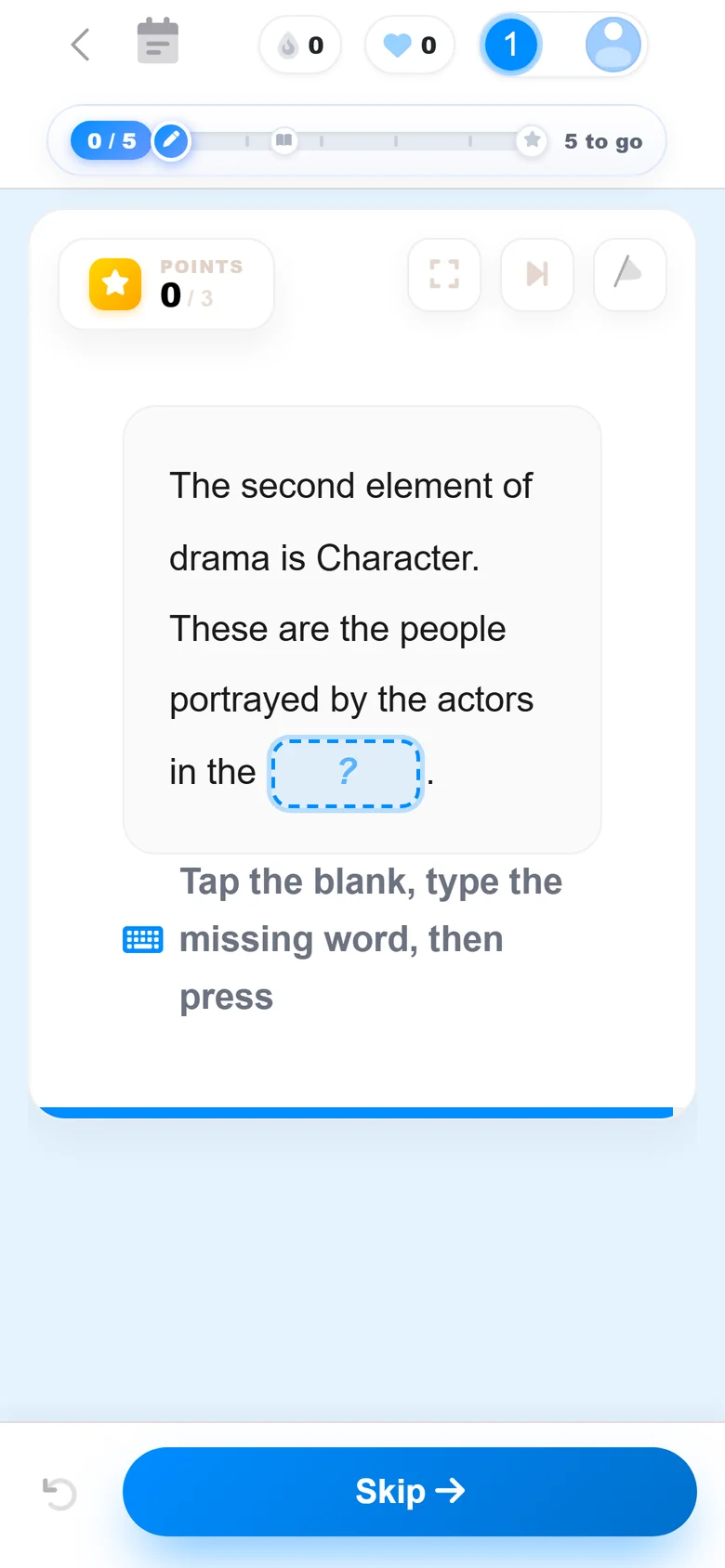
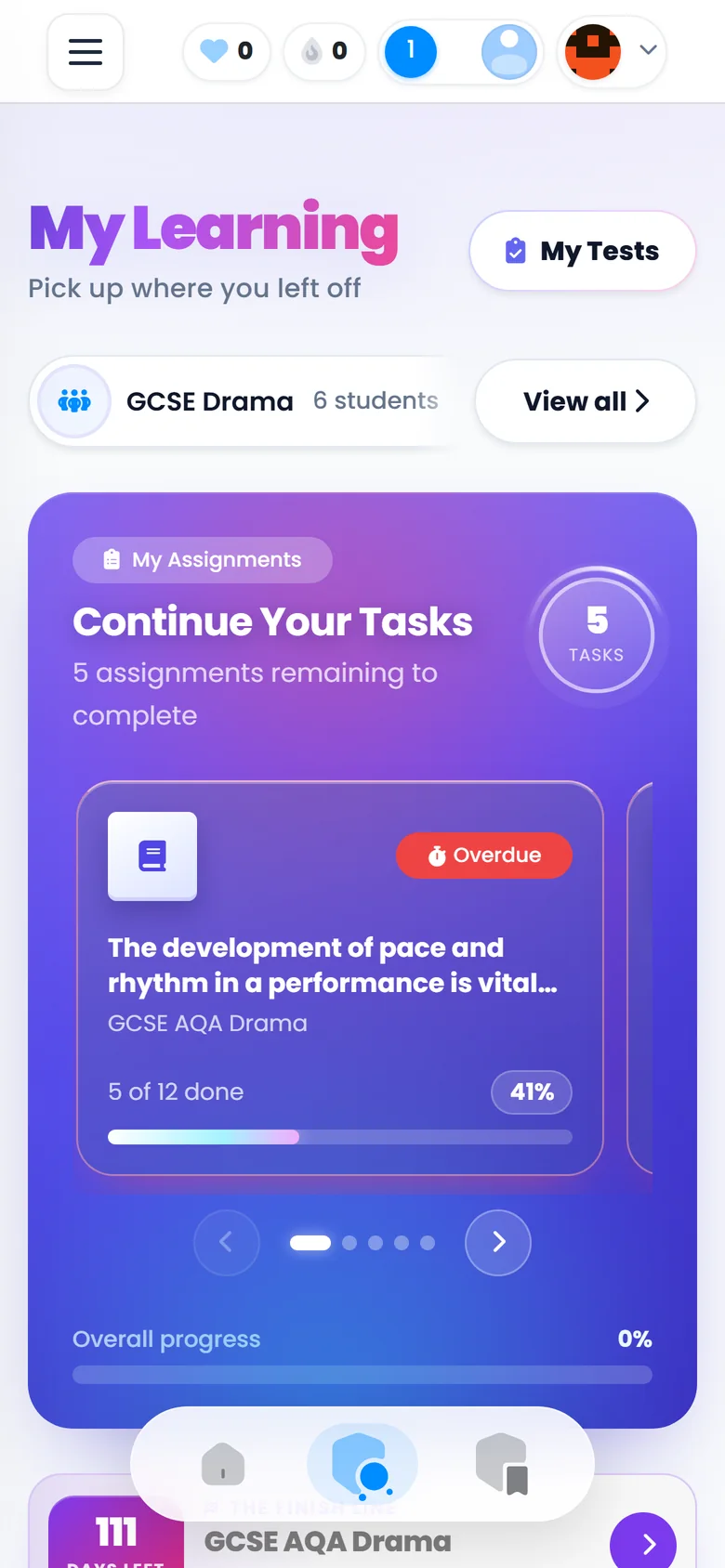
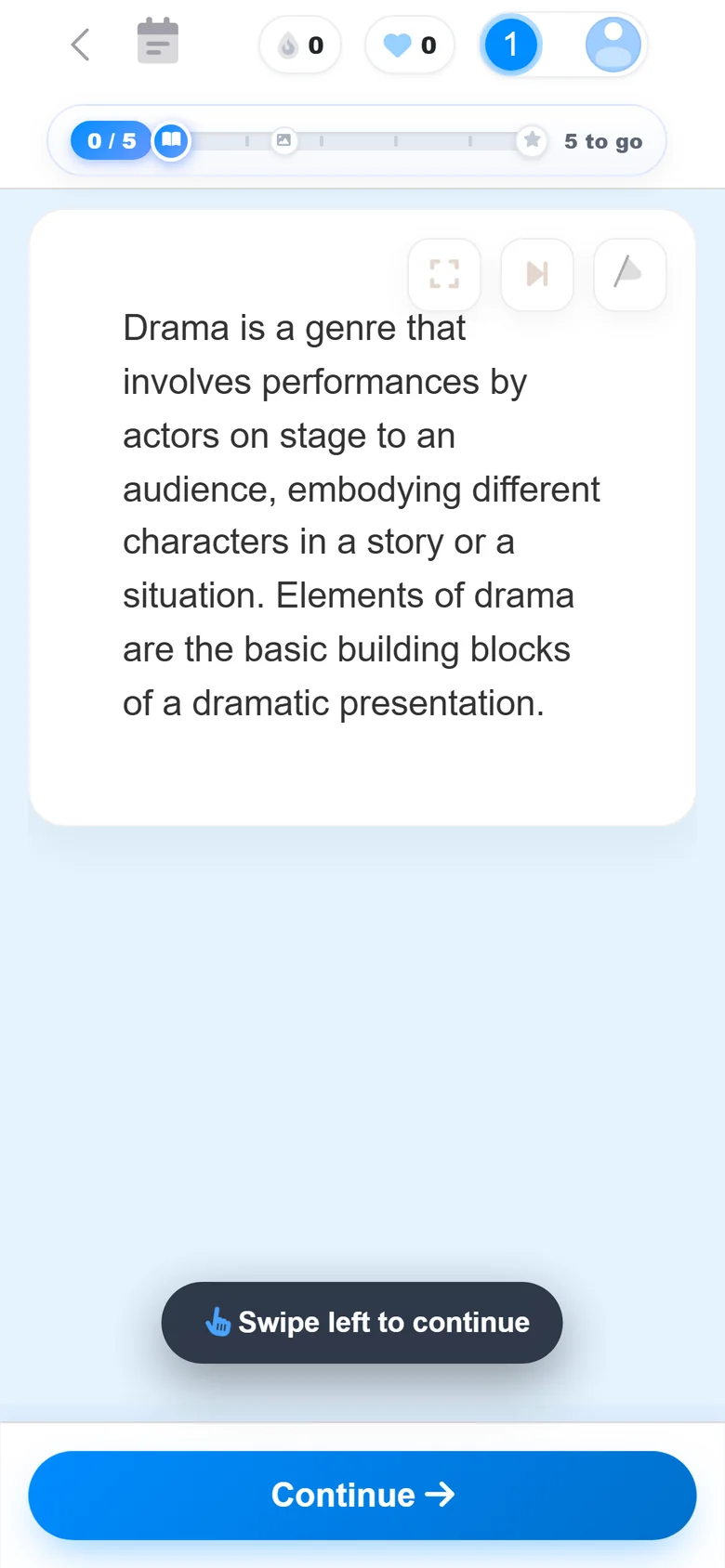
- Lessons ask you to produce the answer. Fill the gap, match the pairs, put the steps in order, label the diagram. And they teach before they test, so you are recalling something you were actually told.
- Review brings a topic back. It is a short mixed check built from the lessons you have been taught. It is not timed, it costs no hearts, and you can take it again.
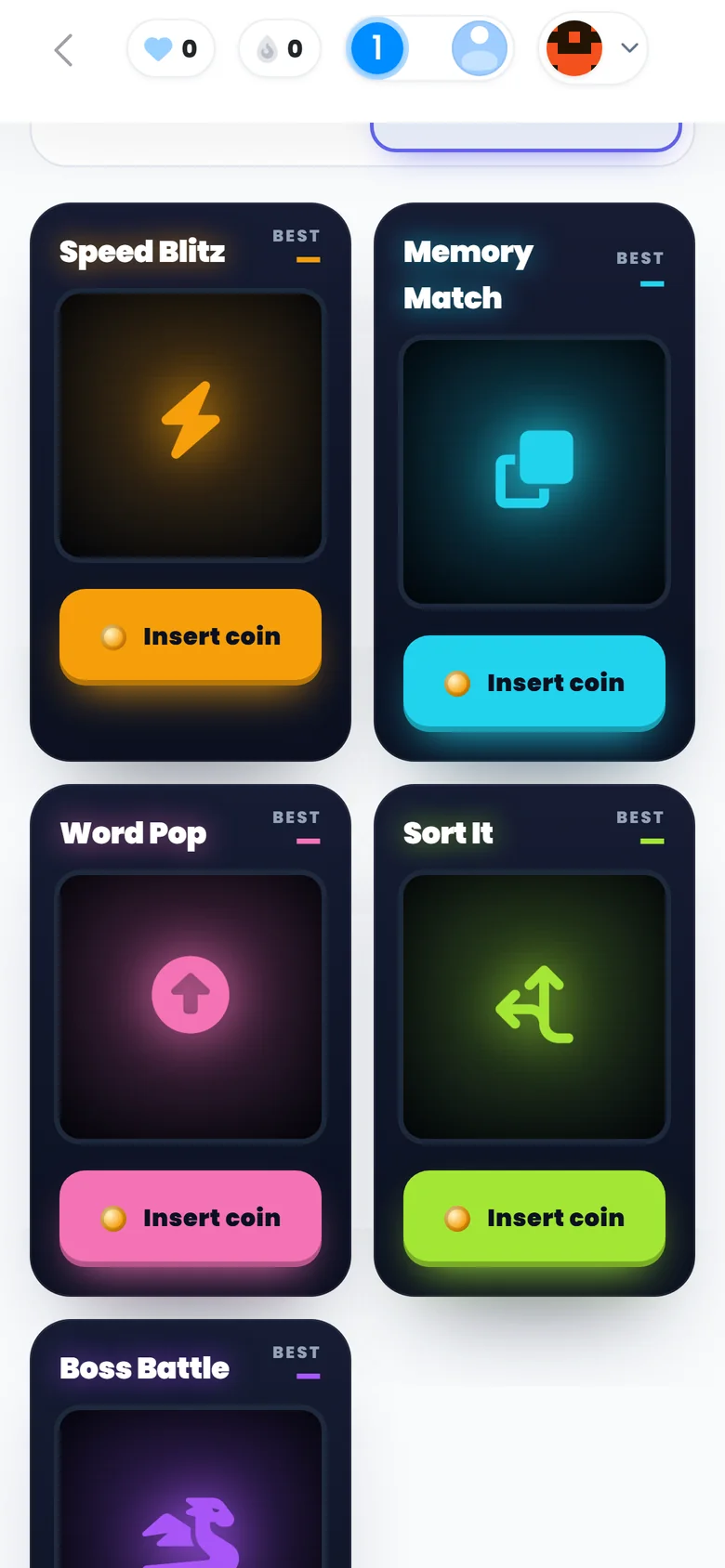
- The Arcade is the same course, again, later. Five games built from what you are studying, for meeting an idea a few days after the lesson. The post is called insert coin.
- Rio reminds you to come back. Only if you want him to. Every kind of reminder can be switched off.
For tutors: Review for a class is lined up automatically from the lessons you have taught, and Print Studio turns any lesson into fold-and-cut flashcards.
What about the highlighter?
Keep it. Highlighting is a perfectly good way to mark what you need to learn. It is just not the learning.
Colour the page. Then close the book, and see what you can write down.
Questions people ask
What is retrieval practice?
Pulling information out of your memory instead of reading it again: writing what you remember on a blank page, answering a question before you look, or explaining a topic without notes. You then check what you missed.
What is spaced repetition?
Coming back to the same material several times with gaps in between, instead of studying it once for a long time. It is also called spaced or distributed practice.
Is rereading notes a good way to revise?
It is among the weakest. A 2013 review of ten study techniques by Dunlosky and colleagues rated rereading and highlighting as low utility, and practice testing and distributed practice as high.
How often should I go back over a topic?
A simple rule is the next day, then a few days later, then a week or two after that. Leave longer if it came back easily, and return sooner if it had gone.
Do flashcards actually work?
Yes, if you say or write the answer before you turn the card. Flipping it and thinking "I knew that" is recognition, not recall. Put the cards you missed back into the pile.

Written by the Tutorio team. We build Tutorio, so these posts describe the product as it is today. Every screenshot is a real capture of the app, and anything that changes gets an updated date. Spotted something out of date? Tell us.